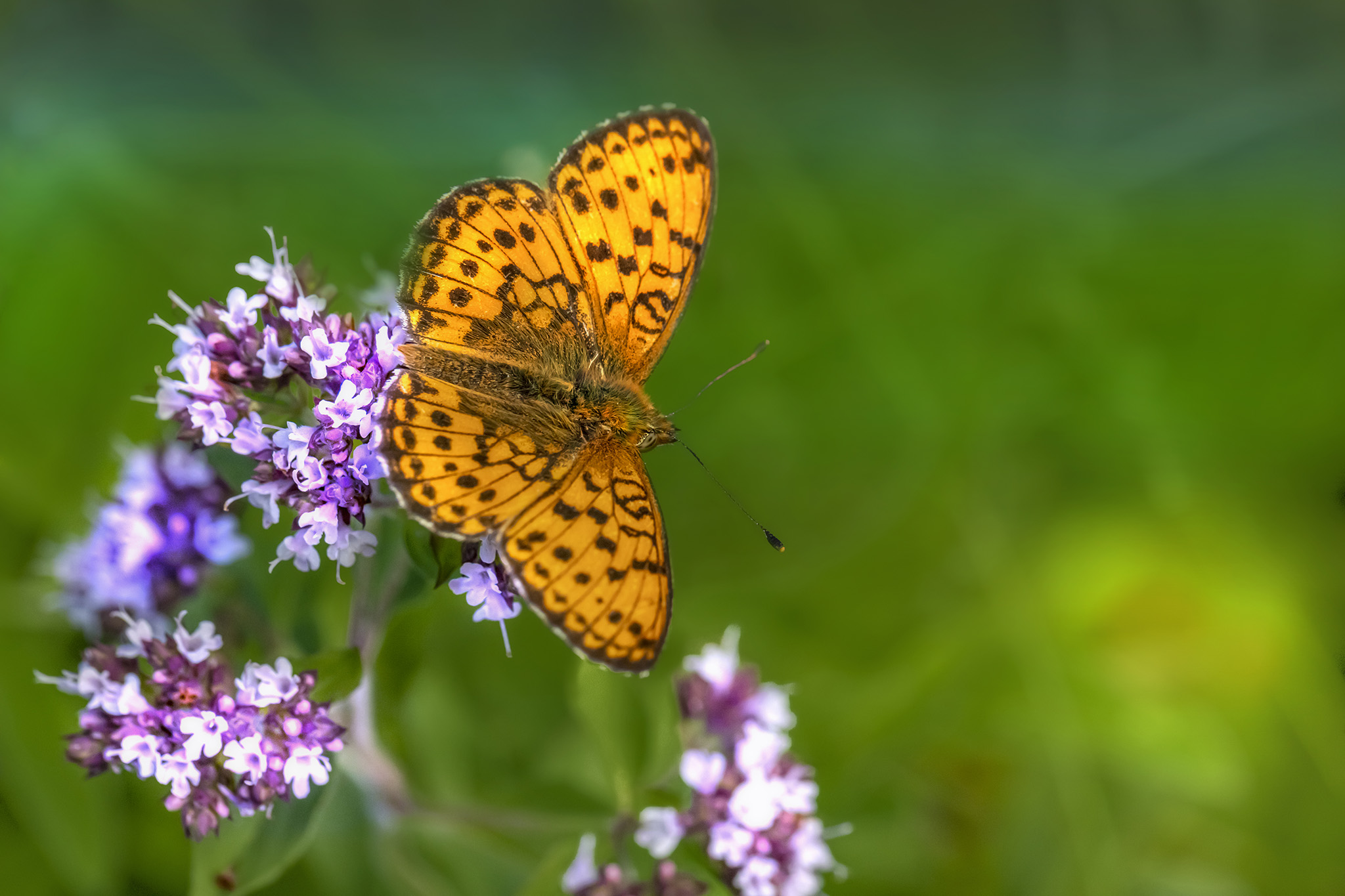

LESSER MARBLED FRITILLARY (Brenthis ino) – THE UNDERSTATED YET STRATEGIC BUTTERFLY! 🦋✨
Folks, let me tell you, the Lesser Marbled Fritillary (Brenthis ino) is a butterfly that knows how to play the game! It’s not the biggest, it’s not the flashiest, but it thrives in its own unique way. Some butterflies want all the attention—not this one! This one is smart, adaptable, and knows exactly where to be to keep winning!
GENERAL INFO – VERY IMPORTANT!
- Scientific Name: Brenthis ino – Sounds sophisticated, because it is!
- Common Name: Lesser Marbled Fritillary – Not the biggest fritillary, but definitely one of the best!
- Family: Nymphalidae – A family full of champions, no doubt!
- Wingspan: 35–44 mm (1.4–1.7 inches) – Compact but effective!
- Lifespan: A few weeks as an adult, but very efficient at reproduction!
APPEARANCE – SUBTLE, BUT HIGHLY FUNCTIONAL!
- Wings:
- Upper side – Orange with black patterns, classic fritillary look—clean, professional, no nonsense!
- Underside – Pale yellowish-brown with a marbled pattern—perfect camouflage, folks!
- Body:
- Slim but durable, built for flying long distances!
- Antennae:
- Sharp, well-designed for detecting flowers and mates!
DISTRIBUTION – VERY STRATEGIC, GREAT CHOICE OF TERRITORY!
- Found across Europe, Russia, and parts of Asia – Huge range, total domination!
- Loves wetlands, damp meadows, and forest edges – Knows where the good nectar is!
- Often found near rivers and lakes – Smart move, always near water sources!
BEHAVIOR – FOCUSED, EFFICIENT, AND ALWAYS ON POINT!
- Flies low and fast – No time wasted, gets straight to business!
- Prefers open areas but stays near protective vegetation – Balanced approach, perfect for survival!
- Males patrol for females, females lay eggs on the right host plants – Highly strategic breeding process!
DIET – PURE ENERGY, PURE SUCCESS!
- Caterpillars eat meadowsweet (Filipendula ulmaria) and other plants – High-quality nutrition for growth!
- Adults feed on nectar from thistles, knapweed, and other meadow flowers – Goes straight for the best energy sources!
PREDATORS & THREATS – NOT GOOD, FOLKS!
- Birds, spiders, and wasps – They try, but the Lesser Marbled Fritillary is quick and well-camouflaged!
- Habitat destruction – BIG PROBLEM! Wetlands and meadows are disappearing—not great!
- Climate change – Affects population numbers and migration patterns!
CONSERVATION STATUS – STILL GOING STRONG!
- IUCN Status: Least Concern – Still holding its ground, folks!
- Habitat protection is key to keeping populations stable!
FINAL THOUGHTS – AN UNDERRATED BUTTERFLY THAT KNOWS HOW TO WIN!
The Lesser Marbled Fritillary is a perfect example of survival through strategy. It doesn’t waste time, it doesn’t show off—it just gets the job done!
🦋🔥
Overall, the Lesser Marbled Fritillary is a beautiful butterfly species that contributes to the biodiversity of its native ecosystems and serves as an important pollinator for many plant species.
Views: 1534
Subscribe to the newsletter: