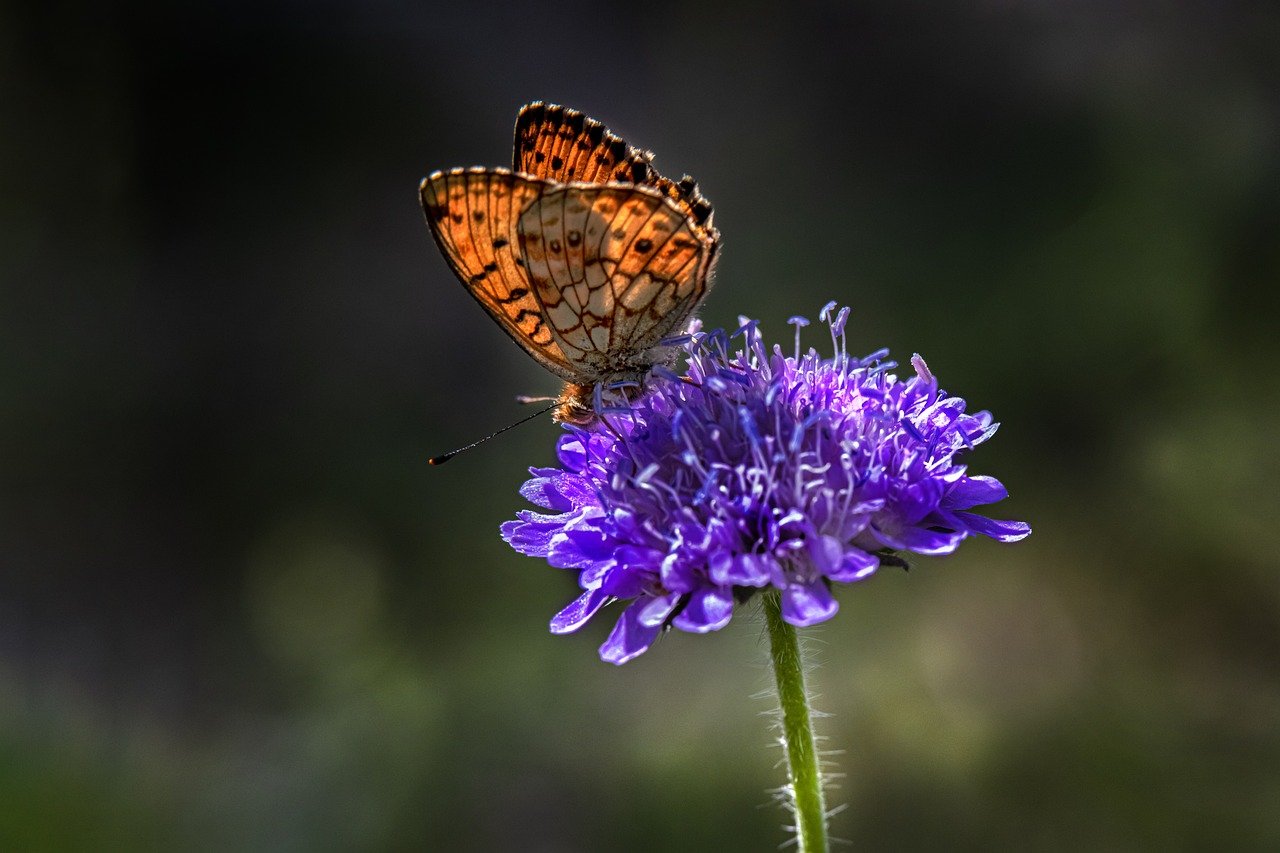
Golden Lace and Purple Hues: Discovering the Lesser Marbled Fritillary (Brenthis ino)
In the damp meadows and sun-drenched woodland edges of summer, a small, golden-orange butterfly flits with purposeful grace. The Lesser Marbled Fritillary (Brenthis ino) may be smaller than some of its cousins, but its intricate patterns and fascinating life cycle make it a favorite for naturalists and photographers alike.
A Masterpiece in Miniature
At first glance, the Lesser Marbled Fritillary looks like a classic “orange and black” butterfly. However, a closer look reveals a level of detail that is truly spectacular:
- The Upper Side: A vibrant orange ground color decorated with a delicate lace-like pattern of black spots and borders.
- The “Marbled” Secret: Its name comes from the stunning underside of the hindwings. Unlike other fritillaries that feature silver spots, Brenthis ino displays a “marbled” wash of yellow, creamy-orange, and a distinctive violet-purple hue along the edges.
Where the Meadowsweet Grows
If you are looking for this butterfly, follow the scent of Meadowsweet (Filipendula ulmaria). This plant is the primary food source for their larvae, meaning the Lesser Marbled Fritillary is almost always found in:
- Damp, tall-herb meadows
- Marshlands and boggy ground
- Moist woodland clearings
They are “summer specialists,” usually seen on the wing from June through August, feeding on nectar-rich flowers like brambles and thistles.
A Delicate Balance
While currently widespread across Europe and temperate Asia, the Lesser Marbled Fritillary is a specialist of wetland habitats. Because it relies so heavily on damp environments and specific host plants, it is highly sensitive to land drainage and agricultural intensification. Protecting our wild, wet meadows is essential for the survival of this golden wanderer.
📸 Photographer’s Perspective: Capturing the Violet Wash
For the wildlife photographer, the Lesser Marbled Fritillary offers a wonderful opportunity to play with color and texture.
- Don’t Ignore the Underside: While many people want the “open wing” shot, the true character of this butterfly is in the marbling of the underside. Try to capture a profile shot when it is feeding on a flower to showcase those rare purple and yellow tones.
- The Meadowsweet Backdrop: Use a wide aperture (low f-number) to turn a field of Meadowsweet into a soft, creamy-white “bokeh” background. The contrast between the orange wings and the white flowers is stunning.
- Early Morning Dew: In damp meadows, these butterflies often get covered in tiny dew drops overnight. If you arrive at sunrise, you can find them “frozen” on grass stems, allowing for incredible high-magnification macro shots.
Quick Facts Table
| Feature | Detail |
| Wingspan | 35–42 mm |
| Flight Period | June – August |
| Larval Food Plant | Meadowsweet and Bramble |
| Identification | No silver spots on underside (distinguishes it from other Fritillaries) |
| Habitat | Wetlands, Damp Meadows, Fenlands |
Views: 1245
Subscribe to the newsletter: