🦡 Deep Review:
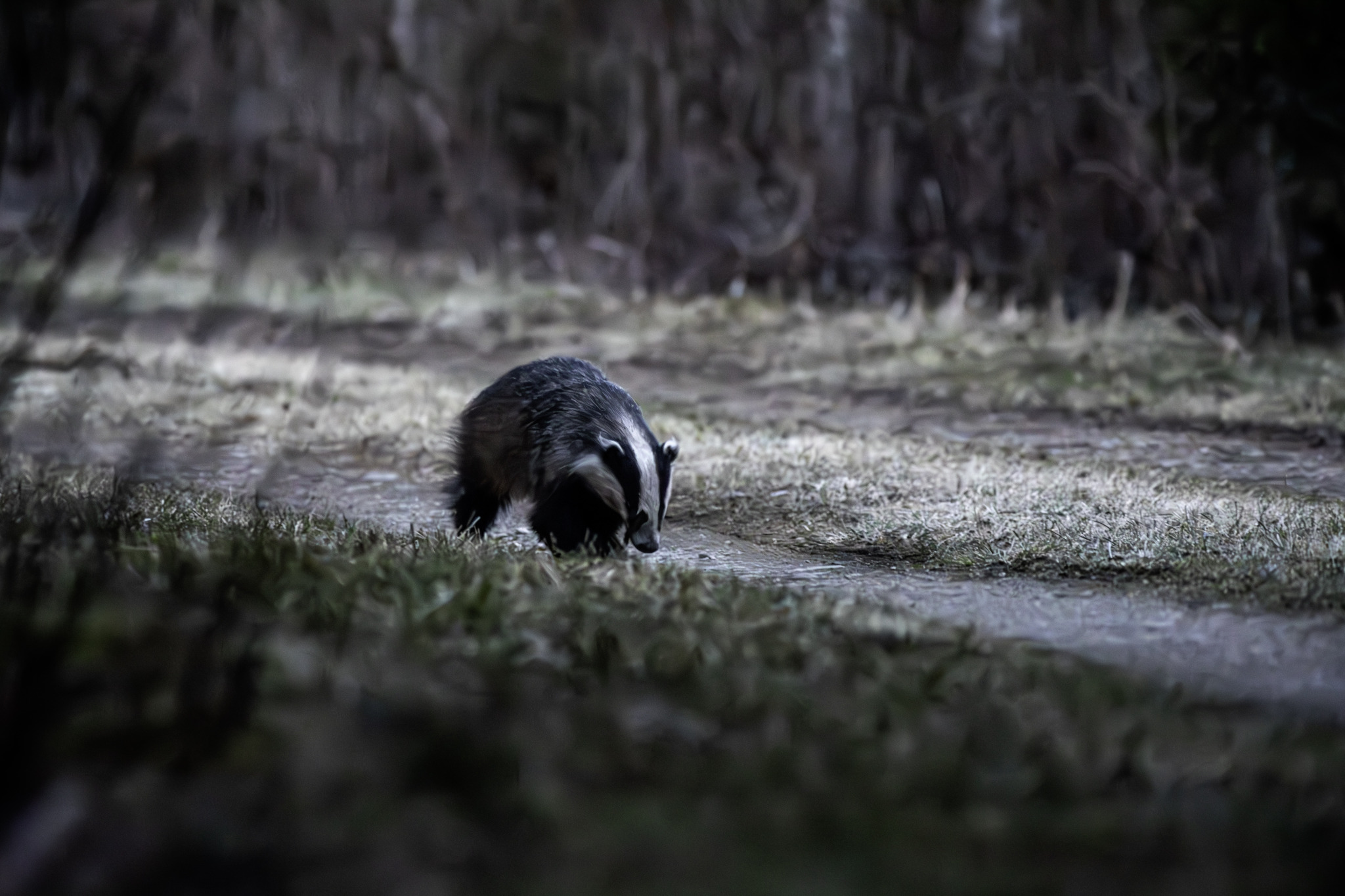
The European badger is one of Europe’s most iconic and recognizable wild mammals. A member of the Mustelidae family (making it a relative of otters, weasels, and wolverines), it is a powerful, social, and highly intelligent excavator that plays a vital role in its ecosystem.
📏 Physical Characteristics
- Appearance: Easily identified by its stocky, wedge-shaped body and its distinctive black-and-white striped face. The rest of its coarse fur is typically a grizzled grey.
- Size: They are surprisingly large and heavy for their family.
- Length: 60–90 cm (24–35 in).
- Weight: Varies significantly by season. In spring, they may weigh around 7–9 kg, but by autumn, they bulk up to 13–17 kg to prepare for the winter months.
- Built for Digging: They have short, powerful legs and extremely strong, non-retractable claws on their forepaws, perfect for tunneling through dense soil.
- Senses: Their eyesight is relatively poor, but their sense of smell and hearing are exceptional, allowing them to navigate and hunt in total darkness.
🏠 Habitat and “The Sett”
- Geographic Range: Found throughout almost the entirety of Europe and extending into parts of Western Asia.
- Habitat: They prefer deciduous or mixed woodlands with adjacent open clearings, though they are increasingly found in suburban gardens and parks.
- The Sett: Badgers live in extensive underground tunnel systems called setts.
- Setts can be decades (or even centuries) old, passed down through generations.
- They feature multiple entrances, sleeping chambers lined with dry grass, and even separate “latrines” (outdoor pits) to keep the home clean.
🍎 Diet and Ecology
- The Opportunistic Omnivore: While technically carnivores, badgers are highly opportunistic.
- Main Course: Their primary food source is actually the earthworm; a single badger can eat hundreds in one night.
- Other Food: They also consume insects, fruit (especially blackberries and fallen apples), nuts, roots, small mammals (including hedgehogs), and occasionally ground-nesting bird eggs.
- Ecological Role: By digging and maintaining setts, badgers aerate the soil. Their abandoned setts often provide homes for other species like foxes, rabbits, or even wild cats.
🌙 Behavior and Social Life
- Nocturnal: They are primarily active from dusk until dawn, spending the day sleeping deep within the safety of the sett.
- Social Units: Unlike many other mustelids, European badgers are social. They live in groups called clans (usually 4–6 adults), though they usually forage alone.
- Winter Torpor: Badgers do not truly hibernate, but they enter a state of torpor during very cold spells, staying underground and living off their fat reserves for days or weeks at a time.
- Communication: They use scent marking (via a scent gland under the tail) to mark territory and recognize clan members. They also have a range of vocalizations, from purrs to deep growls.
⚠️ Conservation and Human Conflict
- IUCN Status: Least Concern. Their population is generally stable across Europe.
- Threats: 1. Road Traffic: Cars are the leading cause of badger deaths in many European countries.2. Bovine Tuberculosis (bTB): This is a major point of controversy, particularly in the UK. Badgers can carry bTB, and while the extent of their role in spreading it to cattle is debated, it has led to government-sanctioned culls.3. Illegal Badger Baiting: Despite legal protection, badgers are still sometimes targeted by illegal blood sports.
Fun Fact: Badgers are incredibly clean animals. They regularly clear out old “bedding” (straw and grass) and bring in fresh material to prevent fleas and lice from taking over their chambers.
Visited 3 times, 3 visit(s) today
Views: 18
Subscribe to the newsletter: