The Electric Blue Angler: Discovering the Common Kingfisher (Alcedo atthis)
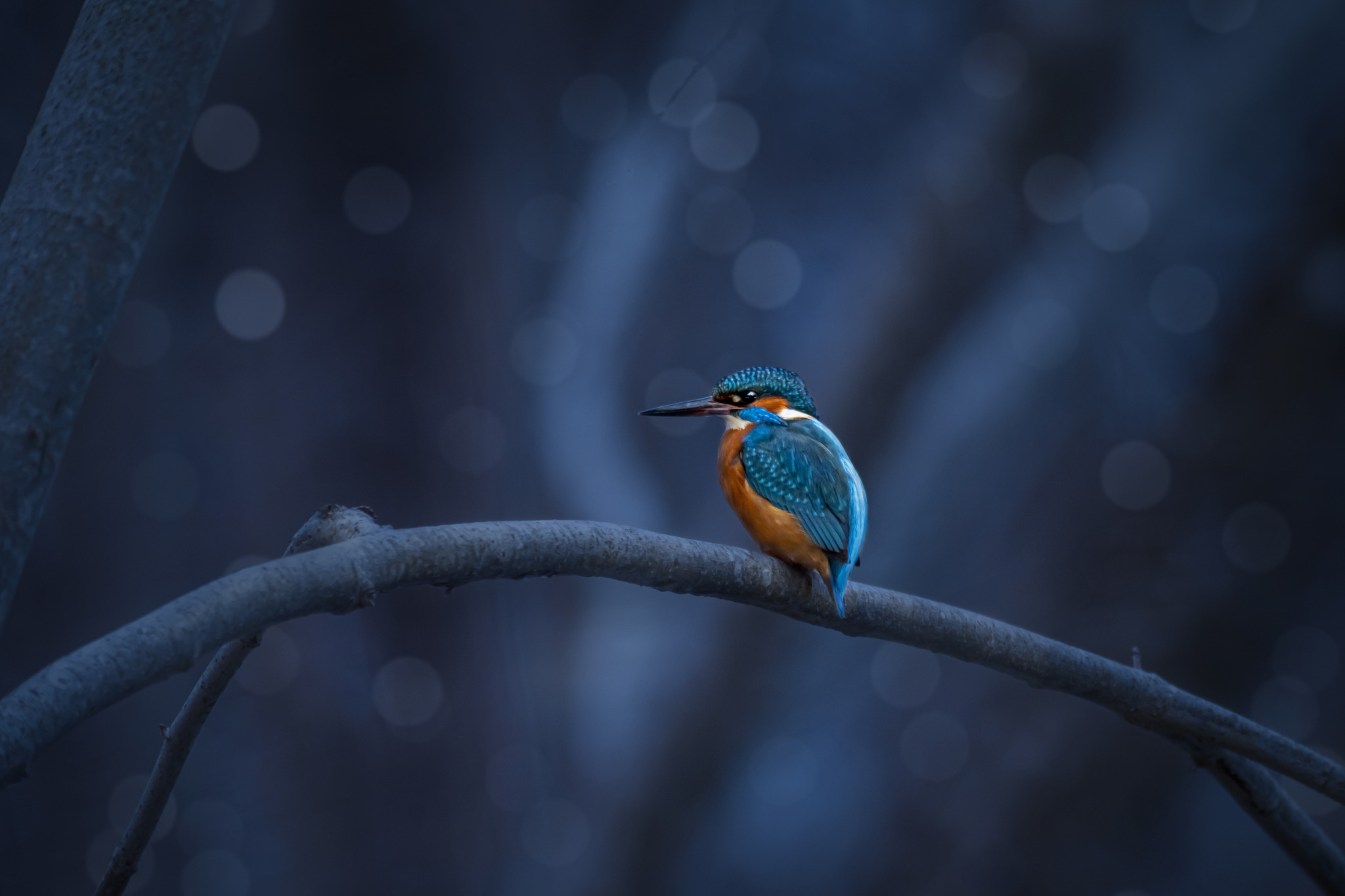
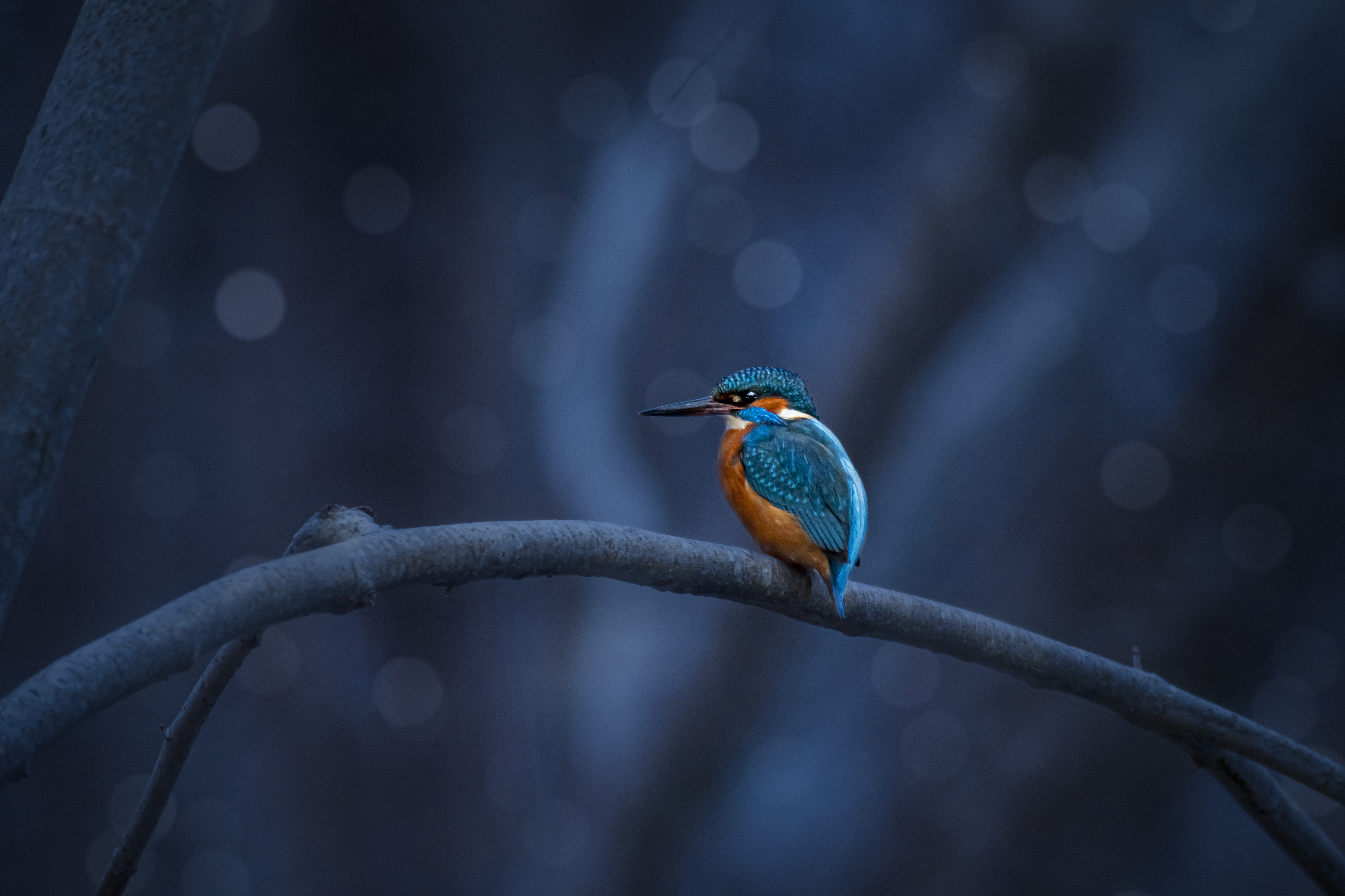
Often referred to as the “flying jewel” of the riverbank, the Common Kingfisher (Alcedo atthis) is one of the most iconic and sought-after subjects for wildlife photographers. With its striking azure-blue back and warm chestnut-orange underparts, it is a bird that brings a tropical splash of color to temperate waterways across Europe, Asia, and North Africa.
A Masterpiece of Iridescence
The Kingfisher’s beauty is a bit of a magic trick. The brilliant blue on its back isn’t actually caused by blue pigment; it’s the result of Tyndall scattering. Microscopic structures in the feathers scatter light, reflecting that famous electric blue back to our eyes.
- The “Lipstick” Secret: Did you know you can tell the males from the females at a glance? Males have an entirely black bill, while females have an orange-red patch at the base of the lower mandible—looking much like they are wearing a bit of orange lipstick!
The Precision Diver
The Kingfisher is a specialized predator. Sitting motionless on a branch overhanging clear water, it uses its keen eyesight to compensate for the refraction of light through the water. Once a fish is spotted, the bird dives with incredible speed—often hitting the water at 40 km/h (25 mph)—and rarely misses its mark.
After a successful catch, it returns to its perch to “bash” the fish against the wood to stun it before swallowing it head-first to ensure the fins don’t catch in its throat.
Where to Find the “Jäälind”
Known in Estonian as the Jäälind (Ice bird), these birds are indicators of a healthy ecosystem. They require:
- Clear Water: Essential for spotting their prey.
- Stable Earth Banks: For excavating their nesting burrows (which can be up to a meter long!).
- Quiet Perches: Strategic spots for hunting and resting.
📸 Photographer’s Perspective: Capturing the Azure Flash
Photographing a Kingfisher is a test of both gear and extreme patience.
- High Shutter Speed is Non-Negotiable: To freeze the water droplets and the bird’s wings during a dive, you need a shutter speed of at least 1/4000s or 1/5000s.
- The “Dive-and-Return” Pattern: Kingfishers are creatures of habit. They often return to the exact same “favorite” branch after a dive. If you miss the first shot, don’t move—they will likely be back within minutes.
- Use a Blind or Hide: These birds have legendary eyesight. Even the slightest movement inside a camera lens can spook them. Using a pop-up hide or camouflage netting is often the only way to get close enough for a frame-filling portrait.
- Expose for the Orange: The bright blue back is easy to “blow out” in direct sunlight. Try to underexpose slightly (-0.3 or -0.7 EV) to preserve the rich texture of the feathers and the depth of the orange breast.
Quick Facts Table
| Feature | Detail |
| Scientific Name | Alcedo atthis |
| Length | 16–17 cm |
| Weight | 34–46 grams |
| Favorite Prey | Minnows, Sticklebacks, and aquatic insects |
| Nesting | Burrows in vertical riverbanks |
| Flight Speed | Up to 45 km/h (28 mph) |
Views: 141
Subscribe to the newsletter: