🦋 Deep Review: European Peacock (Aglais io)
The European peacock is arguably one of the most spectacular and easily recognized butterflies in the world. Often found in gardens and flowery meadows, it is a master of visual defense and a resilient survivor of the European winter.
Note: While many still use the name Inachis io, most modern taxonomists now place this species in the genus Aglais. Consider them one and the same!
📏 Physical Characteristics: The “Four-Eyed” Marvel
The Peacock butterfly is designed around a single, brilliant defensive strategy: deception.
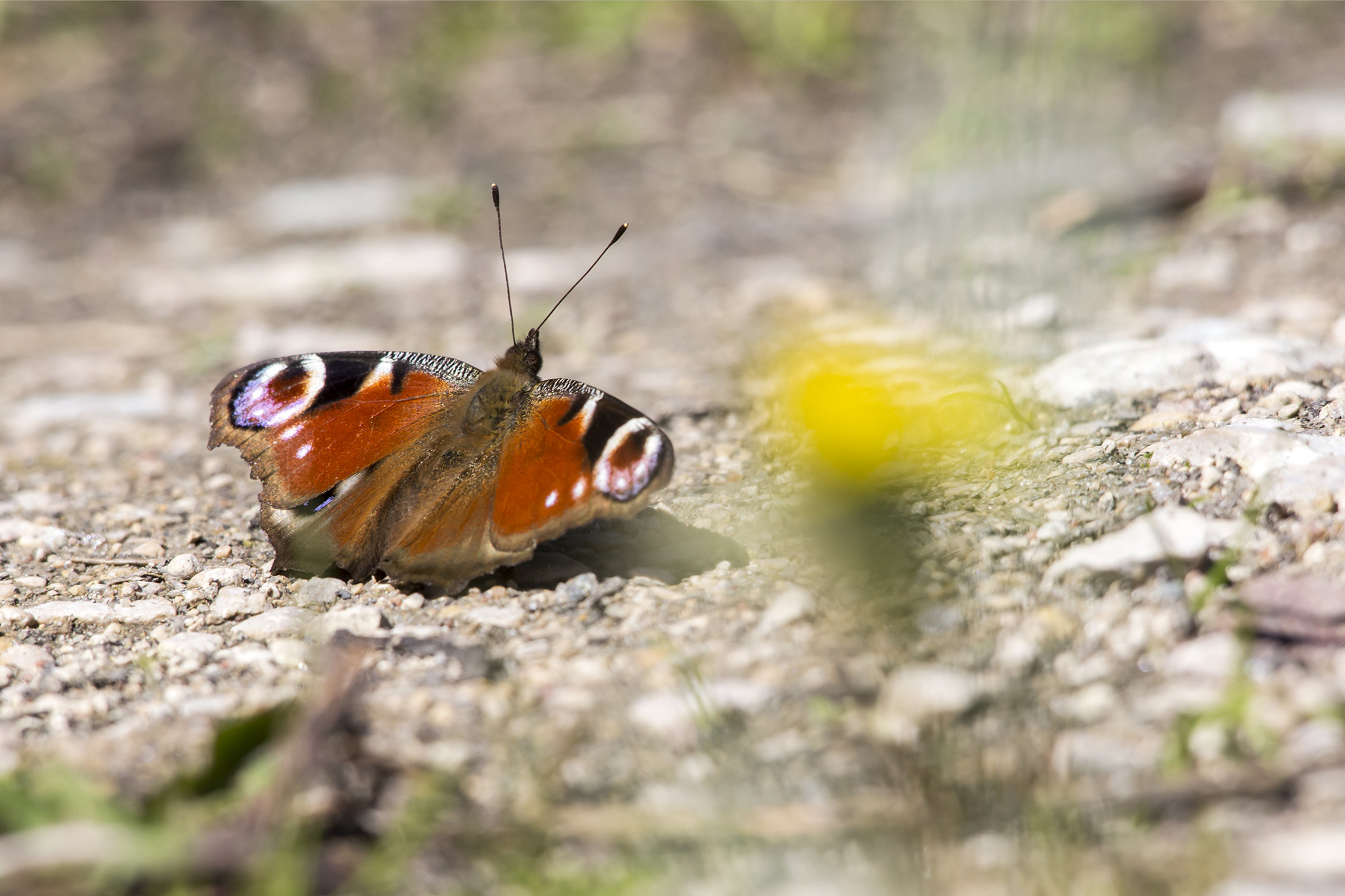
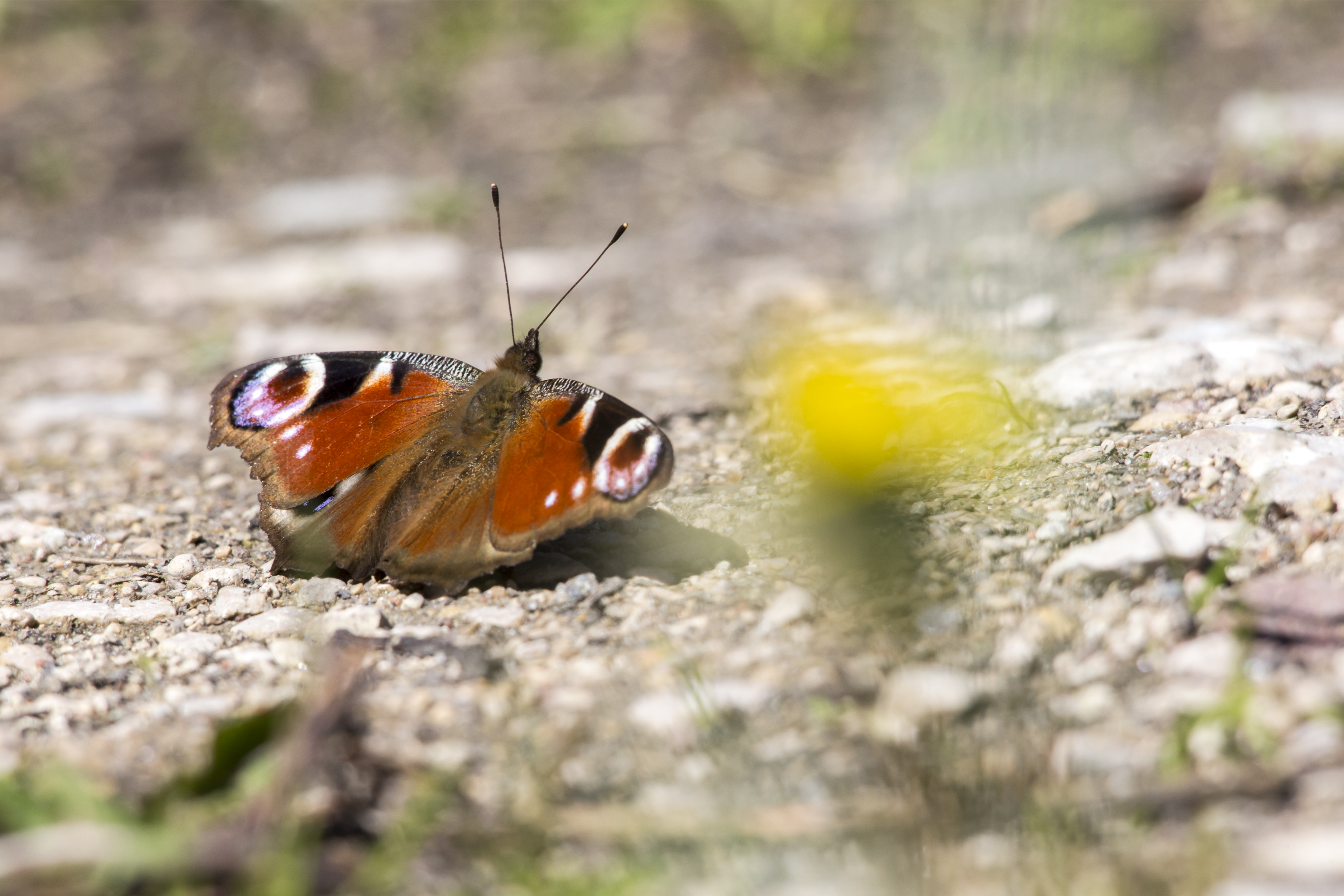
- Upper Side: The wings are a rich, velvety rusty-red. The showstoppers are the four large, iridescent eyespots (ocelli) in blue, yellow, and black. These are intended to mimic the eyes of a much larger animal, such as an owl, to startle potential predators.
- Under Side: In stark contrast, the underside is a dark, mottled grey-black. When the wings are closed, the butterfly looks exactly like a burnt leaf or a piece of bark, providing perfect camouflage during hibernation.
- Size: A medium-sized butterfly with a wingspan typically between 50–55 mm.
⚔️ Survival Tactics: Sight and Sound
The Peacock is one of the few butterflies that uses a multi-sensory defense system:
- Visual Startle: When a bird approaches, the butterfly flickers its wings open suddenly. The “eyes” appearing out of nowhere often cause the predator to hesitate, giving the butterfly time to escape.
- Stridulation (The “Hiss”): If the visual display doesn’t work, the Peacock can rub its wings together to produce a faint hissing sound. This ultrasonic noise is specifically tuned to deter predators like mice or bats that might encounter them while they sleep in dark places.
🥗 Diet and the “Nettle Connection”
- Host Plant: Like the Comma and the Red Admiral, the Peacock is heavily dependent on the Stinging Nettle (Urtica dioica). The females lay their eggs in large, organized batches on the underside of nettle leaves in sunny spots.
- The Larvae: The caterpillars are jet black with white dots and covered in formidable-looking (but harmless to humans) black spines. They are gregarious, meaning they live and feed together in a silken web for protection until they are ready to pupate.
- Adult Diet: Adults are avid nectar drinkers. They love Buddleia (the “butterfly bush”), thistles, knapweed, and in late summer, they will often join the Comma in feeding on rotting fruit to build up fat reserves for winter.
🏠 Habitat and Hibernation
- Range: Widespread across Europe and temperate Asia, all the way to Japan.
- Hibernation: This is one of the few European butterflies that overwinters as an adult.
- In late autumn, they seek out dark, cool, and damp places like hollow trees, woodpiles, unheated sheds, or even attics.
- Because they hibernate as adults, they are often among the first butterflies seen in early spring (sometimes as early as March), emerging to find the first flowers of the year.
⚠️ Conservation Status
- IUCN Status: Least Concern.
- Trends: The European peacock is currently doing well. It is highly mobile and can easily colonize new areas.
- Human Impact: The biggest threat to local populations is the “over-tidying” of gardens and parks. Removing patches of stinging nettles removes the only food source for their caterpillars.
📊 Comparison: Summer vs. Spring Adults
| Feature | Spring Adults (Emerging from Sleep) | Summer Adults (Freshly Hatched) |
| Appearance | May look slightly faded or “tattered” at wing edges. | Vibrant, deep colors and perfect wing edges. |
| Behavior | Focused on finding mates and laying eggs on nettles. | Focused on feeding and building sugar reserves. |
| Timeline | March – May | July – September |
Pro-Tip for 2026 Gardeners: If you find a Peacock butterfly in your house during the winter, don’t leave it in a warm room! It will think spring has arrived, burn through its energy, and die. Gently move it to a cold, dry place like a shed or an outbuilding so it can finish its “long nap.”
Views: 1046
Subscribe to the newsletter: